
Gentle and accessible routines
Movements are presented with a calm pace, simple instructions and reminders to remain within a comfortable range.
Everyday wellness guidance for men 50+ in Poland
Discover simple movement, nutrition and recovery habits designed to fit naturally into everyday life after 50.
Practical wellbeing can begin with a few calm minutes in the morning, a balanced meal prepared from familiar foods and an evening routine that makes room for rest. The aim is not to create a demanding programme. It is to make useful habits easier to understand, adapt and repeat.
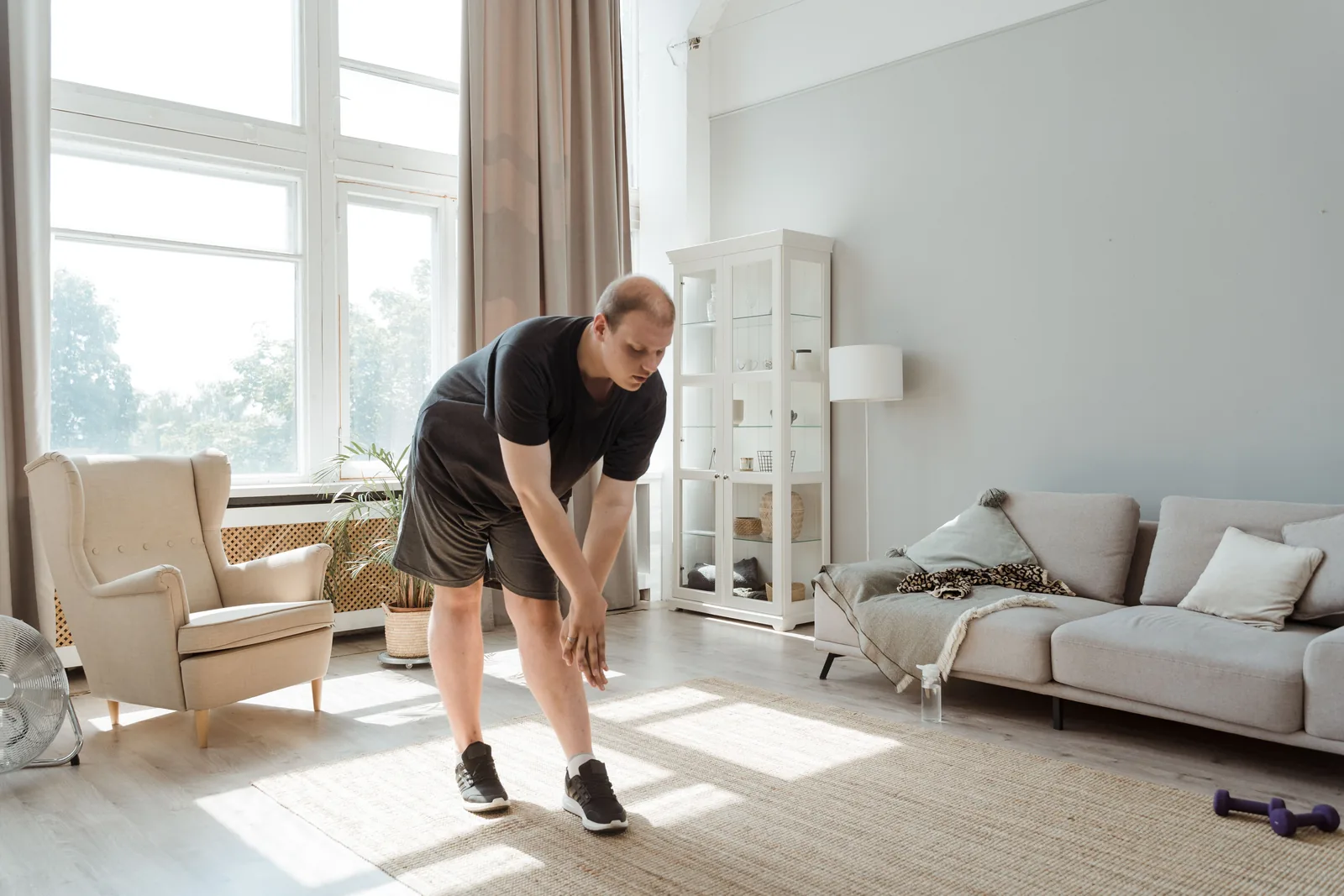
A steady, realistic rhythm
Feeling more active does not require an intense schedule. Short, repeatable routines can make it easier to stay consistent, move comfortably and create a healthier rhythm throughout the day.
Many people stop before a habit has time to settle because the plan feels too large, too rigid or disconnected from normal life. A more practical approach begins with a small action that already has a natural place in the day: moving after getting dressed, walking after lunch, preparing food before hunger becomes distracting or dimming the lights before bedtime.
Active Life Notes organises these ideas into clear guides. The information is educational, uses accessible language and avoids product-led advice. Readers can compare options, choose what feels manageable and adapt the examples to their own comfort and experience.
Movements are presented with a calm pace, simple instructions and reminders to remain within a comfortable range.
Sample plans show how activity, ordinary meals and recovery days may fit together without making every day identical.
Nutrients are discussed through common foods and everyday meal ideas, without brands, packages, dosages or purchase prompts.

Morning, daytime and evening
A useful routine does not need to fill every hour. These three anchors provide a flexible starting point that can be shortened, moved or skipped when rest is more appropriate.
Begin with five minutes of gentle stretching to wake up the body and prepare for the day.
Add short movement breaks, balanced meals and regular hydration to your normal routine.
Slow down with breathing, simple Kegel exercises and a consistent sleep schedule.
“I prefer a short routine that still leaves room for an ordinary morning.”
Example reader perspective, age 58
“A weekly plan is easier to follow when rest days are shown as part of the plan.”
Example reader perspective, age 64
“Food guidance is more useful to me when it starts with ingredients I already recognise.”
Example reader perspective, age 70
Five calm minutes
A short sequence can help create a clear transition from rest to the activities of the day. The example below moves from the shoulders and neck toward the hips and back, then finishes with steady breathing.
Move slowly, breathe normally and stay within a comfortable range of motion.
Quiet evening practice
The pelvic-floor routine is intentionally brief. The emphasis is on identifying a gentle contraction, releasing fully and keeping the rest of the body relaxed.
Five slow contractions with full relaxation between repetitions
Use a light effort and give the muscles time to soften completely before beginning again.
Five short, controlled contractions
Keep the movement precise rather than strong, and continue breathing without strain.
One minute of relaxed breathing and muscle release
Let the abdomen, legs, shoulders and pelvic floor settle before moving on with the evening.
Avoid holding your breath or tightening the abdomen, legs or shoulders. Stop if an exercise causes pain or discomfort.

A seven-day example
Flexibility work can be distributed across the week rather than placed into one long session. This schedule alternates movement, walking, posture practice and recovery so that the week remains adaptable.
Sessions may be shortened when energy is lower. A few careful movements can still maintain the rhythm of the week without turning the schedule into an obligation.
View the full weekly yoga planFood-first learning
Ordinary foods can provide a useful way to learn where nutrients appear in a varied diet. The cards below describe common sources and approved general functions without recommending products or quantities.
Common food sources:
Vitamin D contributes to normal muscle function and the maintenance of normal bones.
Common food sources:
Magnesium contributes to normal energy metabolism and normal muscle function.
Common food sources:
Zinc contributes to the normal function of the immune system and the protection of cells from oxidative stress.

No single food needs to carry the whole routine. A varied pattern can include vegetables, beans, grains, eggs, dairy or fortified alternatives, fish, meat, nuts and seeds according to personal preference and dietary needs.
Explore food sources of Vitamin D, magnesium and zincA calmer end to the day
Recovery is easier to remember when it has visible cues. A regular time, softer lighting, a prepared bedroom and a simple closing activity can signal that the active part of the day is ending.
A steady time range can make the daily rhythm easier to recognise, including at weekends when practical.
Move demanding digital tasks earlier and choose quieter activities as bedtime approaches.
Calm breathing, gentle mobility or reading can provide a consistent transition without becoming another workout.
Small environmental adjustments can help protect the time set aside for rest.

An optional planning example
This table combines stretching, walking, hydration, food preparation, yoga and evening relaxation. It is a flexible example rather than a list of requirements.
| Day | Morning habit | Daytime habit | Evening habit |
|---|---|---|---|
| Monday | Five-minute stretch | Short walk after lunch | Prepare for a regular bedtime |
| Tuesday | Calm breathing | Keep water nearby | Gentle Kegel routine |
| Wednesday | Shoulder and hip mobility | Prepare vegetables and beans for a meal | Seated stretches |
| Thursday | Rest or a brief stretch | Two short movement breaks | Breathing and posture practice |
| Friday | Five-minute stretch | Relaxed outdoor walk | Gentle lower-body yoga |
| Saturday | Flexible 15-minute yoga session | Food preparation for the coming days | Quiet reading and reduced screens |
| Sunday | Rest and check how the body feels | Easy hydration and regular meals | Plan one manageable habit for Monday |
Rest, shorter sessions and changes of plan are normal. Choose the examples that fit the day rather than trying to complete every cell.
Clear answers
These answers offer general lifestyle information. They are not individual medical advice, and personal comfort should guide any activity.
The most practical time is usually the time you can repeat comfortably. Morning movement may help establish a routine, while a walk or short session later in the day may fit work, meals and energy levels better.
Beginners can start with a brief, gentle routine and allow full relaxation between repetitions. Consistency and correct technique are more important than adding many contractions.
Common sources include meat, seafood, dairy products, pumpkin seeds and legumes. A varied diet can combine several sources according to preference.
Yes. A few minutes in the morning and another short period later can be easier to maintain than one longer session. Move slowly and avoid forcing a position.
Choose specific days, keep the first sessions short and place the mat or chair where it is easy to see. Include rest days so the plan remains flexible.
A regular sleep and waking time, lower light in the evening, fewer bright screens and a quiet bedroom can support a more predictable wind-down routine.
Begin at your own pace
Choose one routine that fits your day and practise it consistently before adding something new.
Browse the guides, compare the examples and select a starting point that feels realistic for the coming week.